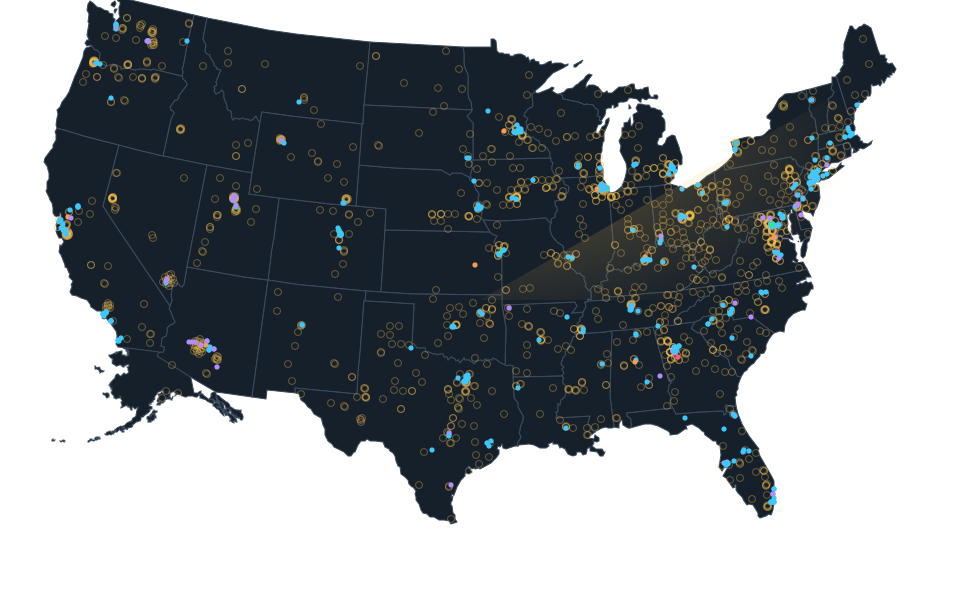
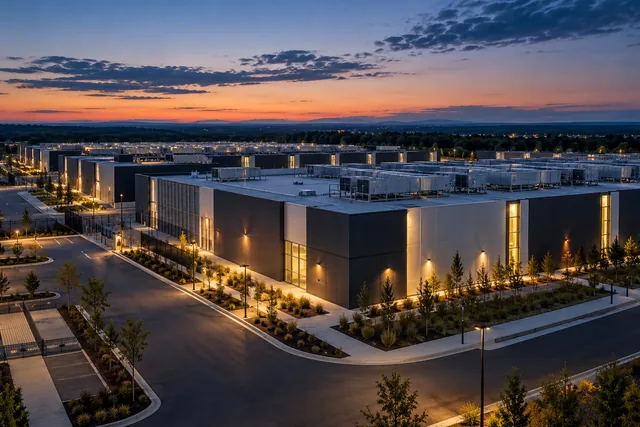
Inside a data center.
Explore the equipment behind computing, cooling and power. Every picture is an AI generated illustration of fictional infrastructure. For a real place, open its Atlas record and read the sources.
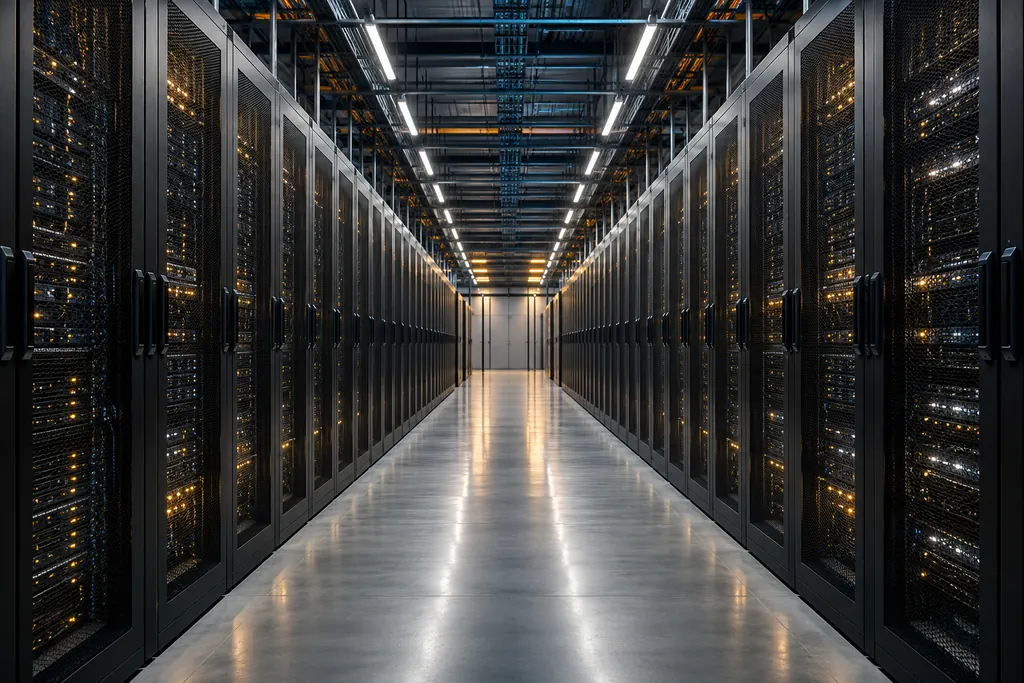
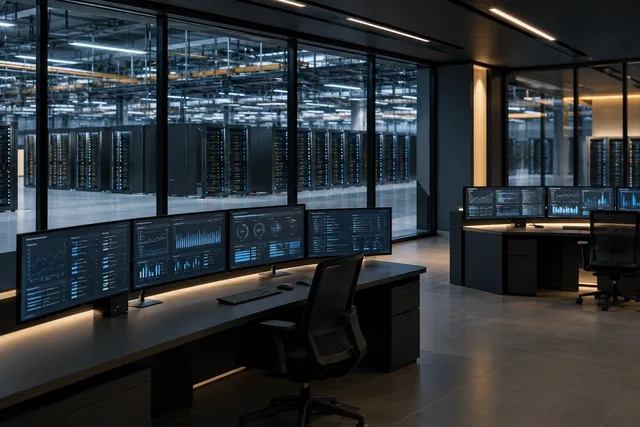
Server halls.
Racks hold servers, storage and networking equipment. Together, they process, store and move information. Layouts vary between facilities.
Source: U.S. Department of Energy design guide, July 2024.
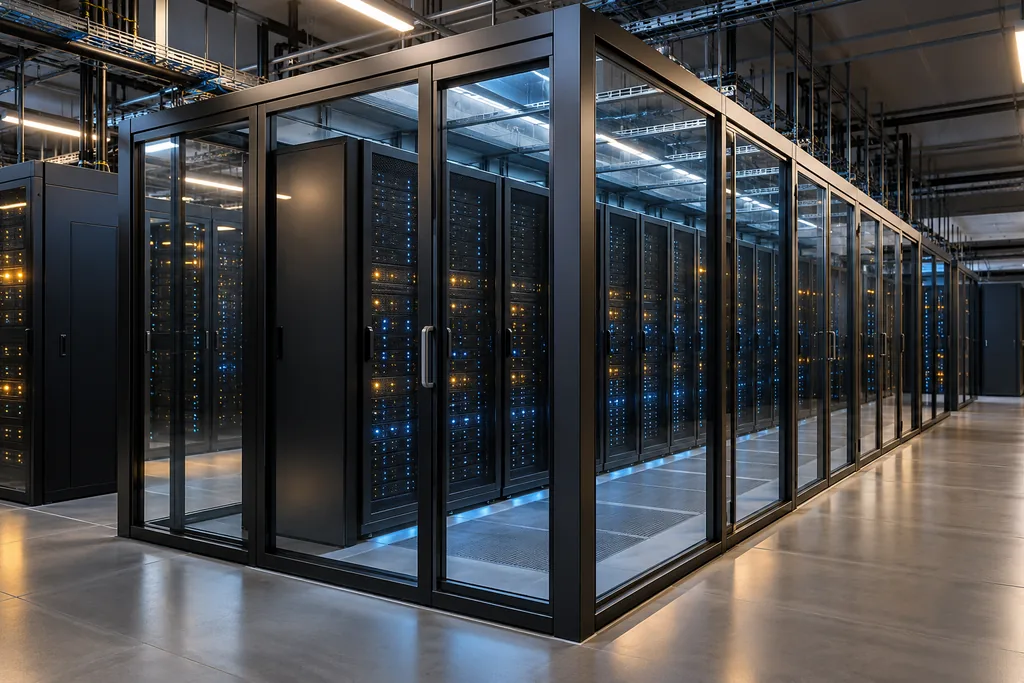
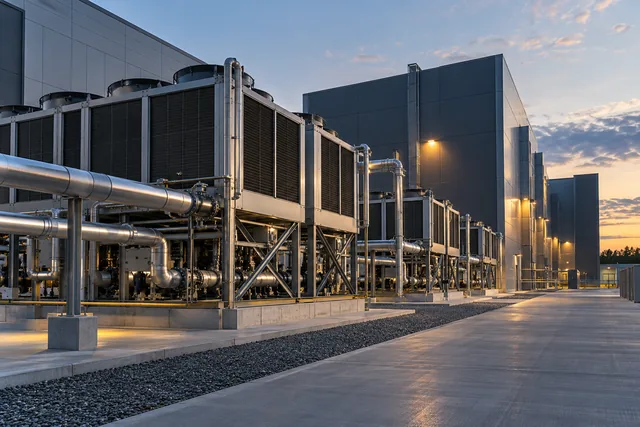
Cooling and water.
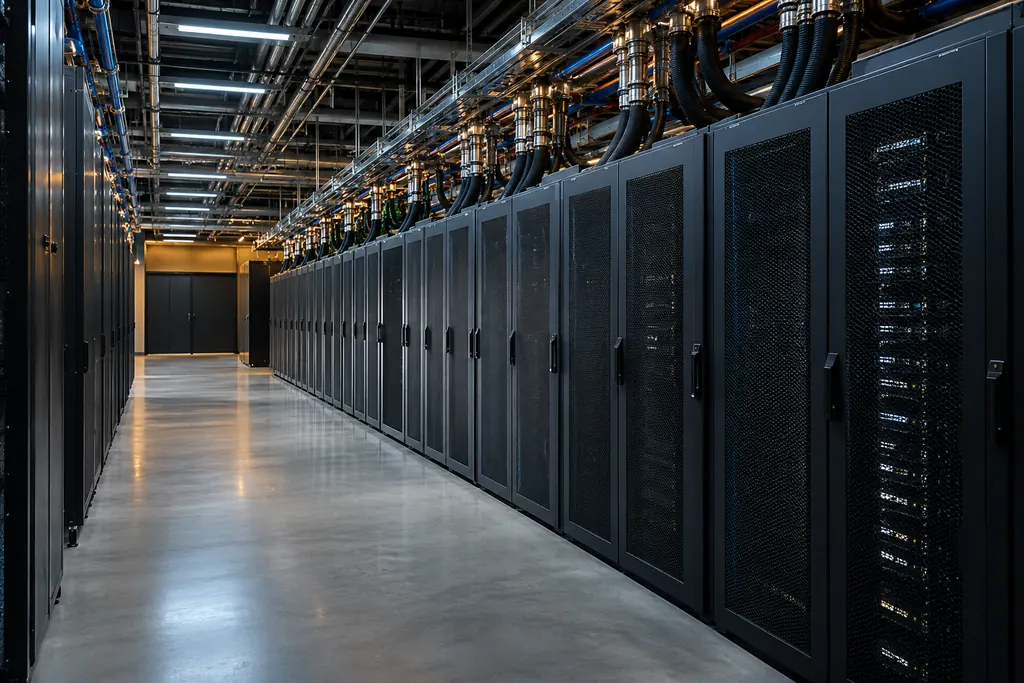
Cooling moves heat away from equipment. Some designs use cooling towers, where water evaporates to release heat. The cooling method alone does not establish a site's water use.
Source: U.S. Department of Energy design guide, July 2024, U.S. Department of Energy, cooling and water.
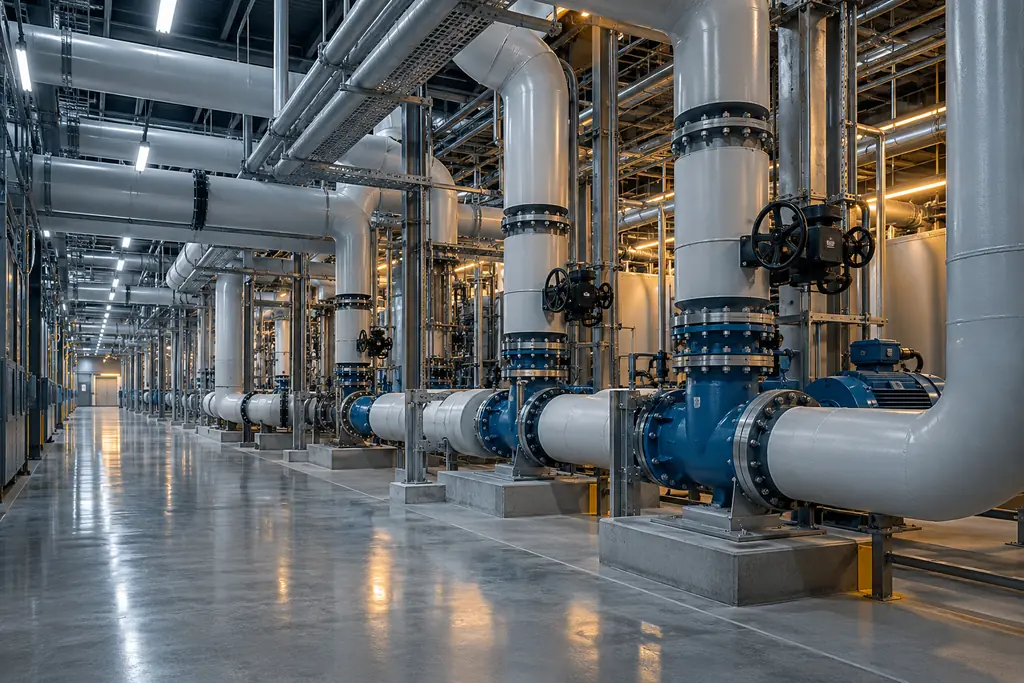
Power and backup.
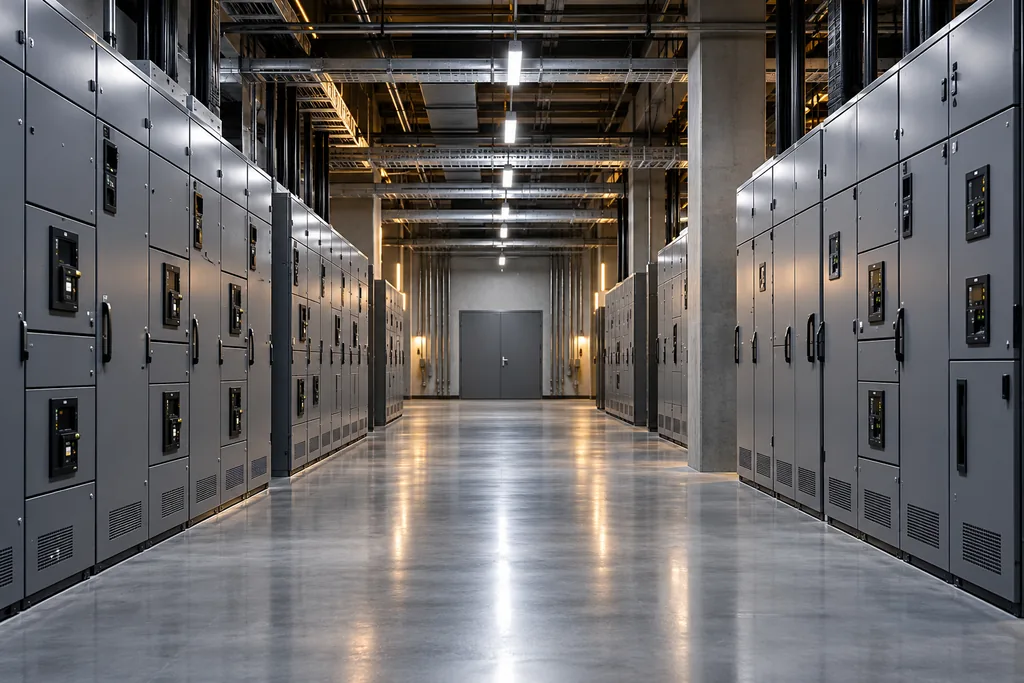
Electrical systems carry power to the equipment. Backup systems can include batteries and generators. A backup generator's rated power is different from electricity used by servers.
Source: U.S. Department of Energy design guide, July 2024, Atlas methods and evidence limits.
See documented power concernsSee documented air and generator concernsOpen the map
Fiber and networking.
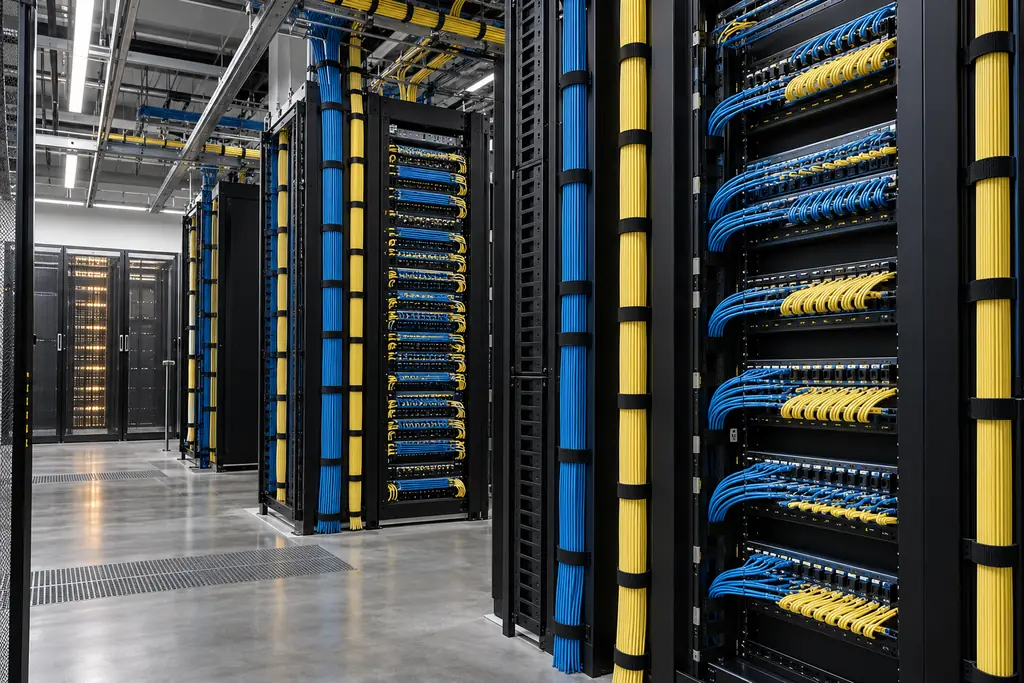
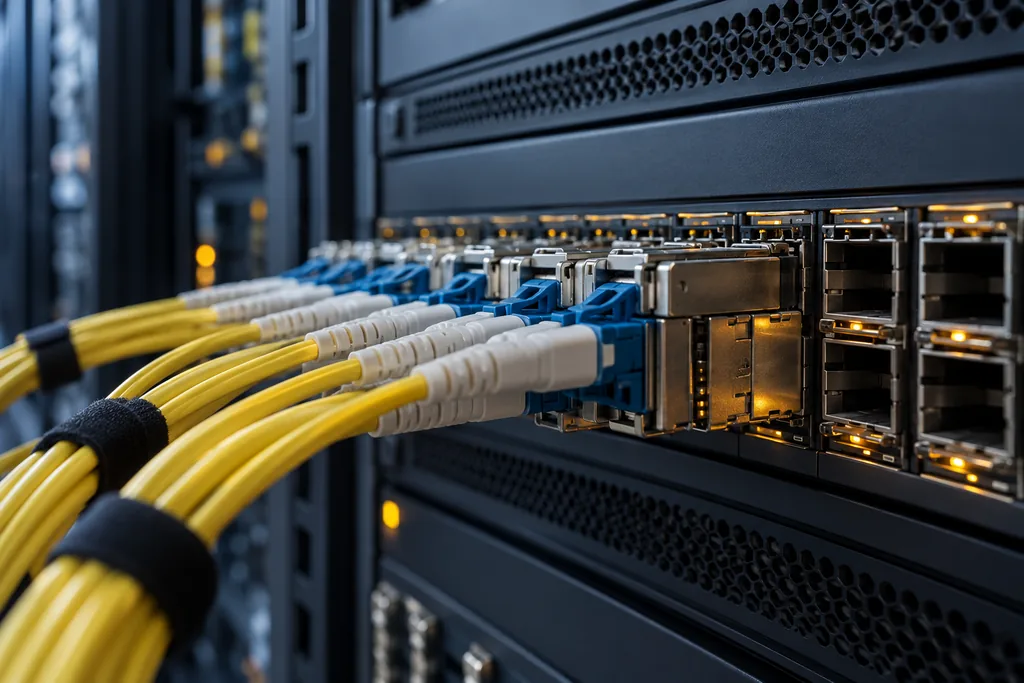
Network equipment and cabling connect computing systems. Published operator documents are needed to establish a real site's connections or available services.
Source: U.S. Department of Energy design guide, July 2024.
Heat.
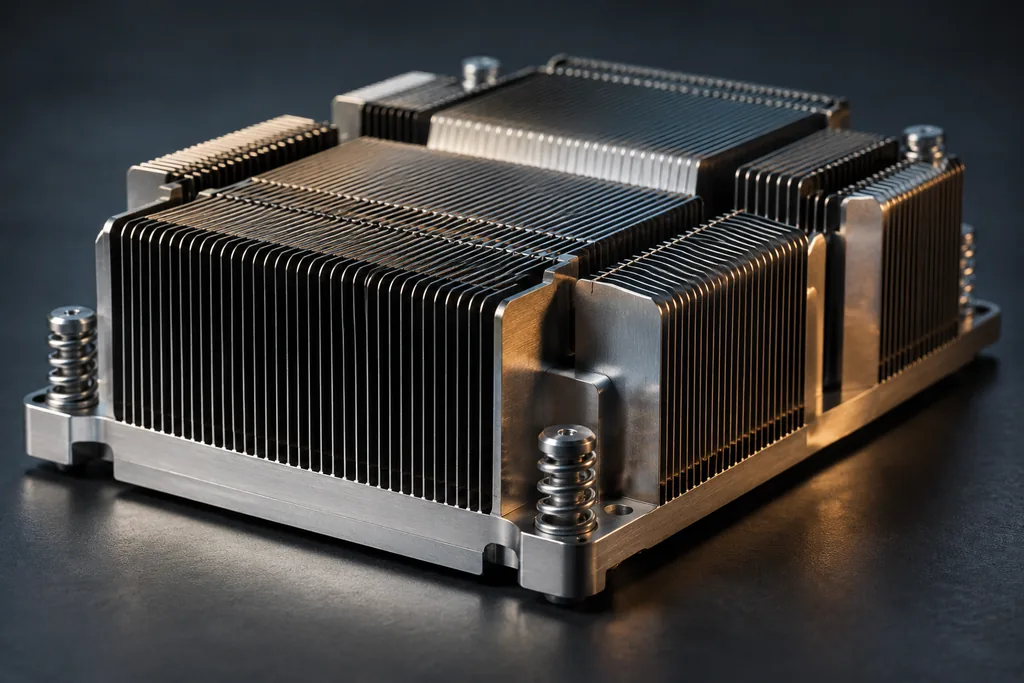
Computing equipment produces heat. Cooling systems move it away. Some designs recover heat for another use; an illustration does not show that a real project does so.
Source: U.S. Department of Energy design guide, July 2024.
Noise.
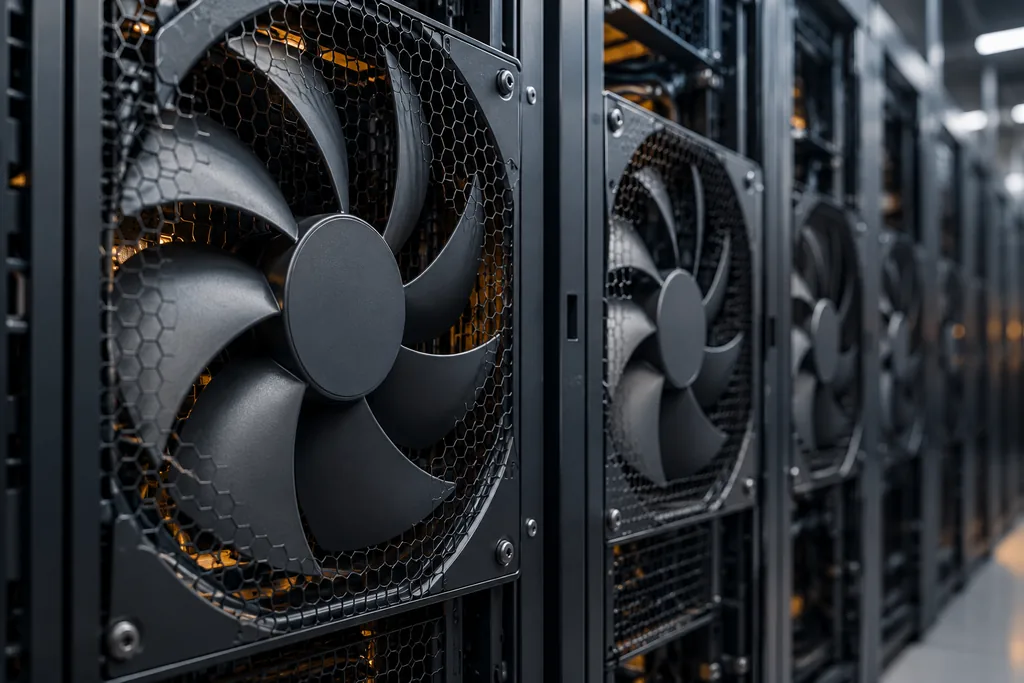
Loudoun County identifies cooling equipment and backup generators as possible sound sources. Equipment drawings, sound studies and public records help explain what is reported for a particular place.
Source: Loudoun County, equipment and noise.
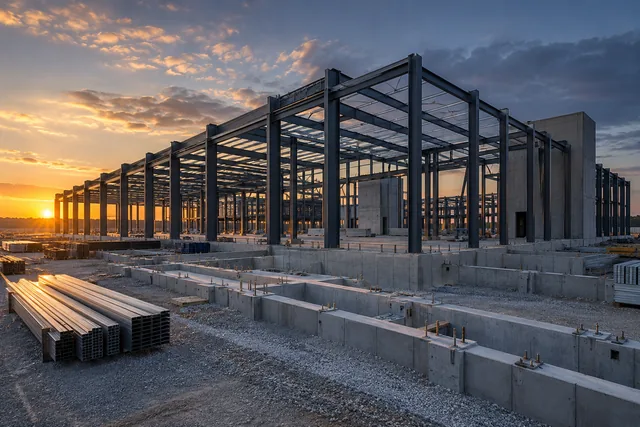
Construction.
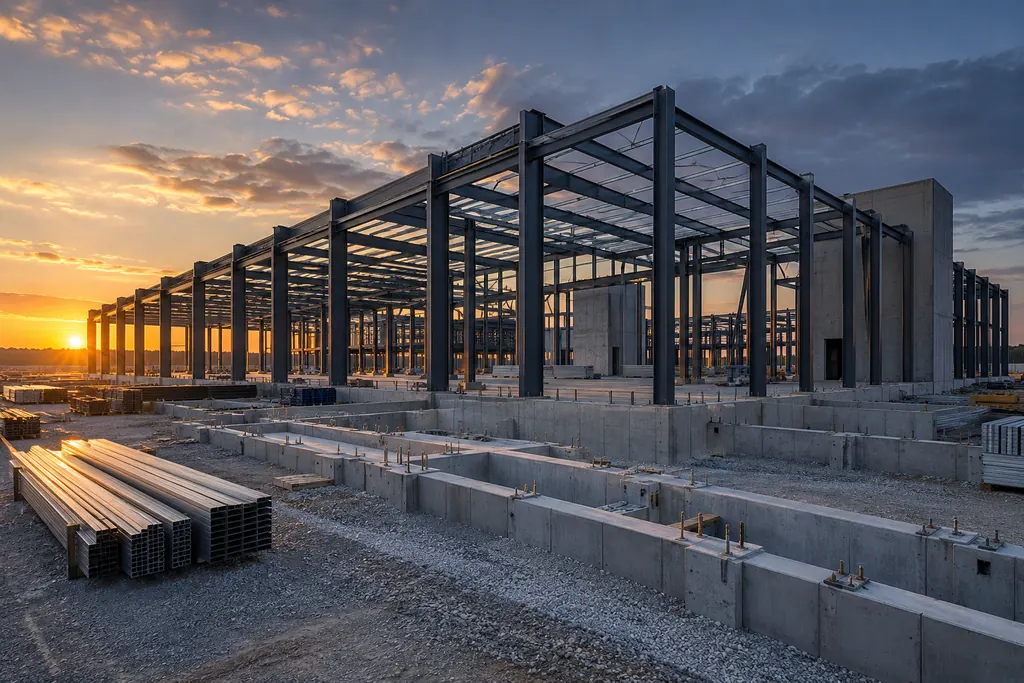
A campus can include buildings, cooling equipment and electrical equipment. A proposal, an approval and physical construction are separate stages. A forecast or permit does not establish that a building has opened.
Source: Loudoun County, campus components, Atlas methods and evidence limits.
See documented traffic and construction concernsOpen the map
Common questions.
What is inside a data center?
Servers, storage, networking, cooling and electrical systems work together to process, store and move information.
Do data centers use water?
Some cooling systems use water, including cooling towers. Project documents are needed to establish the water source and expected use.
Do these pictures show real Atlas sites?
No. These AI generated illustrations show fictional equipment and buildings. Real places have separate records with their own sources and location limits.
Source: Atlas methods and evidence limits.
Does a proposed site mean a data center is operating?
No. Proposals, approvals, construction and operation are separate stages. Each Atlas label retains the scope of its supporting source.
Source: Atlas methods and evidence limits.
Illustrations explain general equipment. They are not evidence of a site, its design, its location or an environmental effect. Read how the atlas is made.
Updated . What changed: Dated page documentation. Individual source dates remain with the evidence.